
What is Liposuction?
Liposuction is a procedure that removes fat cells from the body using a tube (called a cannula) connected to a suction machine. Contemporary liposuction involves administering a special fluid underneath the skin using a syringe, which numbs the target area and shrinks blood vessels. This minimises complications, especially the possibility of blood loss post-surgery.
How Does Liposuction Work?
Liposuction is a surgical procedure that reduces fat cells in specific areas of the body to address unwanted fat deposits and reshape the body’s contours. While it can lead to noticeable changes in the treated areas, liposuction is not intended as a weight-loss solution. Instead, it removes excess fat from targeted regions that do not respond to proper diet and regular exercise.
Before liposuction, patients must undergo a comprehensive assessment by a qualified practitioner to determine if the procedure aligns with their goals and physical condition. Liposuction is suitable for patients who have localised fat deposits that are resistant to diet and exercise and are in overall good health.
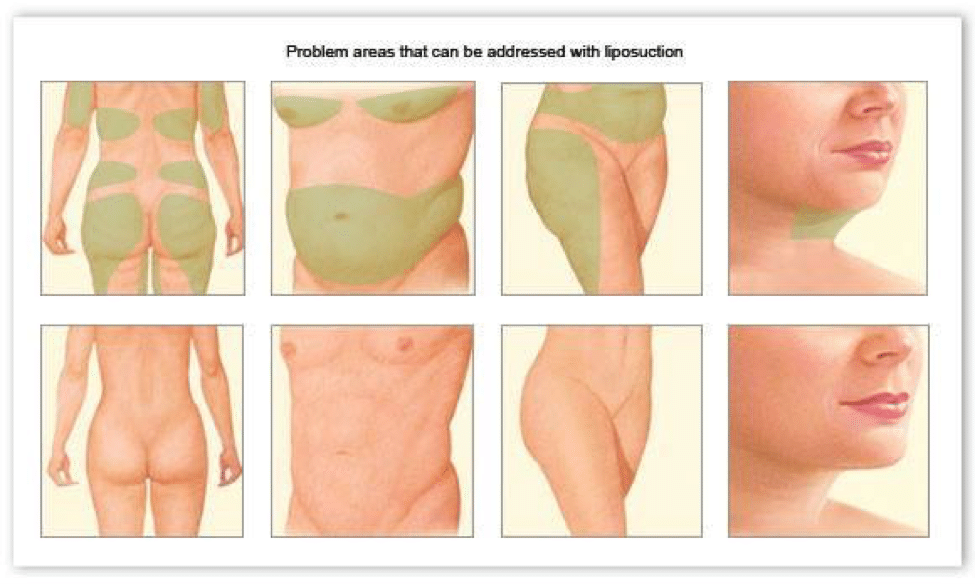
Liposuction provides a safe and effective way to achieve your desired aesthetic.
Newest Liposuction Procedures
At Chelsea Cosmetics Melbourne, our team utilises the latest liposuction techniques to address specific fat removal needs. One of the newer methods is laser lipolysis, which involves making a small incision to insert a specialised probe that melts fat. The liquefied fat is then removed using Power-Assisted Liposuction (PAL), a technique that employs vibrations to loosen the fat, allowing for its removal with less physical strain on the treated area.
These approaches are designed to address fat deposits while reducing tissue trauma compared to traditional techniques. By combining laser lipolysis with PAL, patients may experience a different approach to fat removal tailored to specific areas of concern. A consultation with a practitioner can help determine the suitability of these methods based on individual needs.
Understanding Different Liposuction Techniques
Liposuction techniques share the fundamental goal of addressing localised fat deposits in specific target areas. The overall outcomes and the patient experience depend on factors such as the technique used and the practitioner’s level of training and experience. Each type of liposuction offers distinct approaches, with differences in recovery times, risk of complications, and the effect on skin texture in the treated areas.
Laser and Vaser liposuction offer certain advantages over traditional liposuction techniques. These methods are designed to allow for targeted fat removal while addressing areas that may require precision. Vaser liposuction, for example, is often used for more detailed body contouring and can effectively address delicate areas.
Key features of Vaser liposuction include its capability to achieve significant fat removal in a single session. It utilises ultrasound technology to separate fat cells from surrounding tissues, allowing for precision in fat removal. These characteristics make it suitable for targeting specific areas and addressing body proportions based on the individual’s needs and treatment goals.
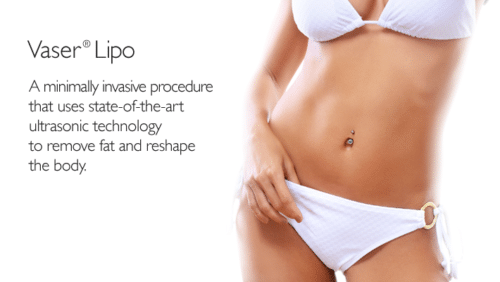
Vaser liposuction is the newest technology for crafting the body you want.
What is Laser Liposuction?
Laser liposuction is a technique that employs laser energy at a specific wavelength to break down fat cells and apply heat to the underlying skin. The heating process stimulates collagen production and affects connective tissues, potentially leading to changes in skin structure.
Compared to traditional liposuction, laser liposuction is associated with reduced bruising and scarring after the procedure. The technique is designed to precisely target fat deposits, providing a tailored approach to fat removal in specific areas.
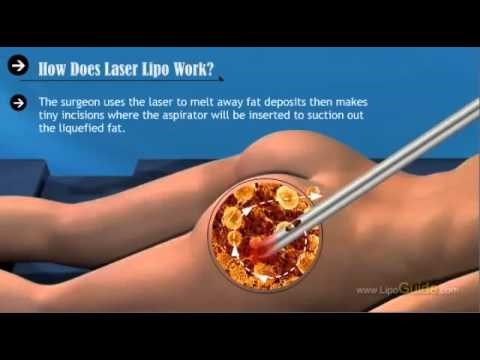
Laser liposuction melts down fat deposits in the target area, allowing them to be more easily suctioned out.
Liposuction Results
Liposuction results differ between patients because of individual characteristics. The volume of fat to be removed, the amount of excess skin prior to the procedure, the surgeon’s experience, and the liposuction technology used will all influence the end result.
During the initial consultation and assessment, Dr Mark Attalla will provide a comprehensive evaluation and a clear understanding of the expected outcomes. This discussion is essential in determining whether liposuction is a suitable option based on the patient’s specific needs and goals.
Liposuction Before and After
Below are some examples of before and after images of liposuction procedures performed at Chelsea Cosmetics. For more before and after images, please check out our ‘Before and After’ Gallery.
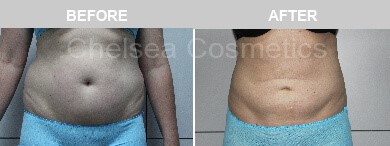
Chelsea Cosmetics’s Slim Lipo results after 2 treatments
Liposuction vs Abdominoplasty
Liposuction removes fat deposits by suctioning fat cells from the body, making it appropriate for patients with minimal or no excess skin. Abdominoplasty is suitable for patients with moderate to severe excess skin or significant skin laxity, often caused by weight loss or pregnancy. This procedure involves the removal of extra skin and may also include tightening the abdominal muscles to address structural issues. A thorough assessment is necessary to determine which procedure aligns with the patient’s specific needs and physical condition.
Potential Risks and Complications
As with all surgical procedures, liposuction carries potential risks and complications that patients should consider. Common risks include contour irregularities, pain, discomfort, bruising, permanent changes in skin pigmentation, infection, emboli (blockages in the bloodstream), and fluid accumulations such as haematomas or seromas. Among these, contour irregularities are the most frequently reported, with an incidence of approximately 2.7%. Patients may also experience allergic reactions to medications or complications from anaesthesia, such as local anaesthetic toxicity.
Sensory changes, such as hyperesthesia (increased sensitivity) and dysesthesia (altered sensation), are common side effects following liposuction and typically improve over three to six months as the body heals. Hyperpigmentation, although less common, may occur and generally diminishes over time without requiring additional treatment. While infections are rare, with an incidence of less than 1%, the use of sterile techniques, small incisions, and the antibacterial properties of lidocaine contribute to their low occurrence.
Patients are encouraged to discuss these risks with their practitioner during the consultation to understand the potential complications associated with liposuction. Thorough pre-operative planning, adherence to post-operative care instructions, and regular follow-up appointments are essential for managing risks, supporting the recovery process, and ensuring patient safety.
How Much Does Liposuction Cost?
The total cost of liposuction is influenced by several factors, as it varies based on individual circumstances and the complexity of the procedure. One key factor is the patient’s body mass index (BMI), as higher BMIs typically require longer surgical times due to the volume of fat being addressed. The specific areas being targeted also play a significant role in determining costs, as some regions may be more complex or require additional precision.
Additional procedures or technologies, such as laser lipolysis for patients with mild excess skin, can also affect the overall cost. The number of target areas treated during the surgery will further influence costs, as treating multiple areas involves more time and resources.
Commonly treated areas include the upper and lower abdomen, chin, arms, bra folds, hips, thighs, knees, legs, and ankles. Each patient’s treatment plan is unique and tailored to their specific goals, which is why a consultation is essential to assess individual needs and provide a comprehensive breakdown of costs. Understanding these factors helps patients make informed decisions about the procedure.
Liposuction Recovery Time
Recovery time after liposuction varies depending on the technique used and the individual’s healing process. Conventional liposuction typically requires 2-3 weeks for initial recovery, with patients advised to avoid strenuous activities during this period. Modern techniques, such as Laser or Vaser lipolysis, generally involve a recovery period of 3-7 days due to less disruption of surrounding tissues. However, factors such as the extent of fat removed, the areas treated, and the patient’s overall health can influence recovery time. Swelling, bruising, and discomfort are common in the days following the procedure, and wearing compression garments is often recommended to support healing. Full recovery, including the resolution of swelling and final results, may take several weeks to months. Regular follow-up appointments with the practitioner are important to monitor progress and address any concerns during the recovery period.
Reasons to Choose Dr Attalla for Liposuction in Melbourne
Dr Mark Attalla, the founder and director of Chelsea Cosmetics in Melbourne, has extensive experience in performing liposuction procedures tailored to address individual patient needs. He holds a Bachelor of Medicine and Bachelor of Surgery (MBBCHa) and is a Fellow of the Australian College of Cosmetic Surgery and Medicine (FACCS) as well as the Royal Australian College of General Practice (FRACCSM). With decades of training and experience, Dr Attalla has developed a comprehensive understanding of liposuction techniques and the importance of patient education. His consultations provide patients with a clear and thorough explanation of the procedure, ensuring they have realistic expectations about the process and its potential outcomes.
During consultations, Dr Attalla provides detailed information about how liposuction works, the types of liposuction available, and their suitability for different patient goals. He discusses the options available, including conventional, laser-assisted, and Vaser liposuction, helping patients understand the benefits and considerations of each technique. Additionally, he provides a transparent breakdown of the costs involved, including factors that may influence pricing, such as the number of areas treated or the need for adjunctive technologies. This ensures patients have a full understanding of what the procedure entails and can make an informed decision about moving forward.
Dr Attalla also takes the time to explain the risks and recovery process associated with liposuction. He discusses potential complications, such as bruising, swelling, or contour irregularities, and outlines the necessary steps to minimise these risks through proper post-operative care. Recovery expectations, including timelines and aftercare instructions, are clearly explained, with emphasis on the use of compression garments and activity restrictions to support healing. This patient-focused approach ensures that individuals are well-informed about every aspect of the procedure, from preparation to recovery.
Disclaimer: Losing weight through natural methods and regular exercise offers more health benefits compared to liposuction. We strongly encourage patients to pursue their goals using natural and healthy approaches before contemplating liposuction. It’s important to note that liposuction is not a method for weight loss; while it may result in a reduction in dress or pants sizes, the scale may not reflect a significant difference.
Also, before deciding on cosmetic procedures, it’s important to have realistic expectations about the outcome. Talk to your cosmetic doctor about what to expect from any treatments, and make sure you understand your recovery time and the likely results.